
Recognizing the signs of gambling addiction A guide to awareness and recovery
Understanding Gambling Addiction
Gambling addiction, also known as compulsive gambling or pathological gambling, is a condition characterized by an uncontrollable urge to gamble despite the negative consequences it may bring. Individuals affected by this addiction often find themselves prioritizing gambling over relationships, work, and even their own well-being. For those seeking alternatives, Gambling Sites Not On Gamstop can provide various gaming options while raising awareness of the risks involved. Awareness of the addiction is the first step towards recovery.
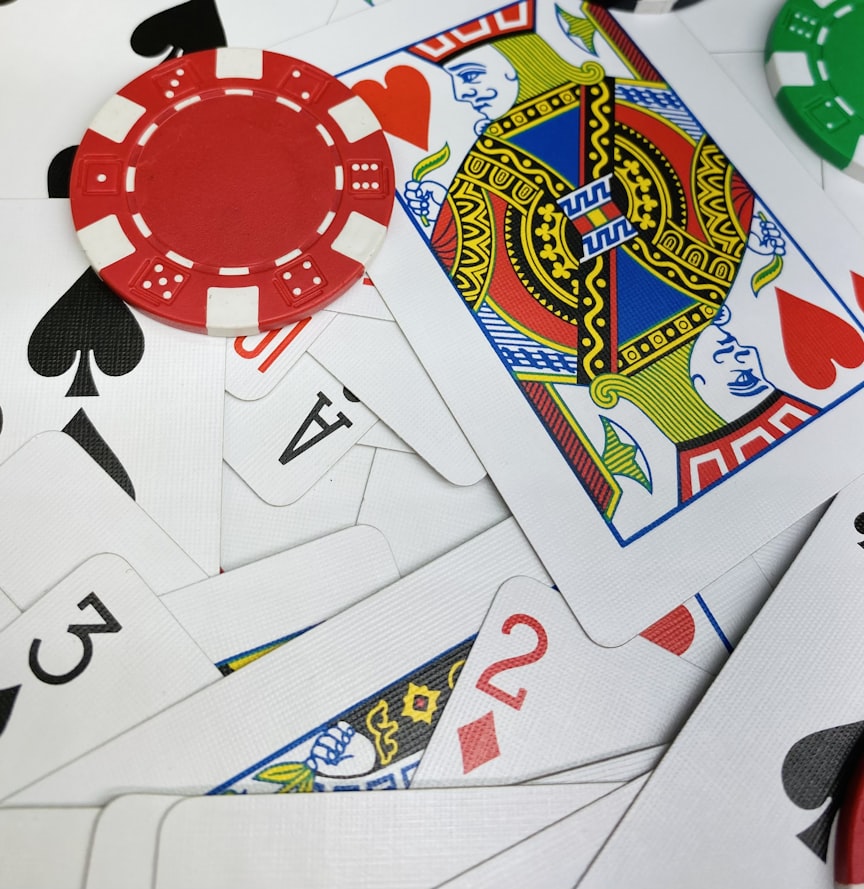
Recognizing the signs of gambling addiction can be challenging, as many people may not see their behavior as problematic. However, gambling can lead to severe financial, emotional, and social repercussions. Understanding the psychological aspects of gambling can help in identifying those who may need help.
Common Signs of Gambling Addiction
Several indicators can signify that someone is struggling with gambling addiction. Frequent betting, borrowing money to gamble, and lying about gambling activities are some behaviors that may suggest a deeper issue. Those affected often experience a sense of euphoria while gambling but may also feel intense guilt or anxiety afterward.
Additionally, individuals might chase losses, believing that they can win back lost money through more gambling. This cycle of behavior can escalate, leading to further financial distress and emotional turmoil. Recognizing these signs is crucial for timely intervention and support.
Consequences of Gambling Addiction
The consequences of gambling addiction can be severe and multifaceted. Financial problems are often the most visible outcome, with individuals accumulating debts that can lead to bankruptcy. Furthermore, gambling addiction can strain relationships, causing friction with family and friends who may feel betrayed or neglected.
Beyond the financial and relational impacts, mental health issues such as anxiety and depression frequently accompany gambling addiction. These emotional struggles can create a vicious cycle, where individuals turn to gambling as a coping mechanism, exacerbating their mental health challenges.
Path to Recovery
Recovering from gambling addiction is a challenging but achievable process. The first step is acknowledging the problem, which can often require the support of loved ones or professionals. Therapy, particularly cognitive-behavioral therapy, has proven effective in helping individuals identify harmful thought patterns and develop healthier coping strategies.
Support groups such as Gamblers Anonymous can provide invaluable community support and shared experiences, fostering a sense of belonging for those in recovery. Commitment to change, continuous self-reflection, and seeking help are vital components of a successful recovery journey.

About Our Website
Our website serves as a resource for individuals seeking to understand and address gambling addiction. We aim to provide comprehensive information on recognizing signs of addiction, exploring recovery options, and connecting with support systems. By fostering awareness, we hope to empower individuals to seek the help they need.
In addition to resources on gambling addiction, we offer insights into responsible gaming practices, emphasizing the importance of moderation and awareness in gambling activities. Our mission is to promote safer gaming experiences and support those in need of recovery.